Open models closing the gap
The problem is no longer who has the best model. It is how fast best-enough capability spreads.
A re-analysis of Epoch's ECI data put the current open-to-closed model lag at about eight months, as Noah Smith wrote in April 2025. That is not a claim that every open model matches the top closed model at every task. It is a more practical warning for work: the gap can be short enough that frontier capability does not stay at the frontier for long.
That changes what matters inside ordinary teams. If a model that trails the leaders by months is still competent at drafting, coding, review, and triage, then the main risk to authorship and accountability is not a single lab winning a benchmark. The risk is that these systems arrive quietly inside the software people already use, where they start producing acceptable work before a team has decided who checks it, who signs it, and where it must be escalated.
That spread is not theoretical. DeepSeek open sourced Super-Agent as a research prototype described as a proactive coding agent that can monitor group chats for coding issues and suggest solutions, as Techmeme noted in April 2025. Once that kind of agent exists in the open, the important workplace question is not whether it is the single best system in the world. It is where similar functions land first: the team chat, the code editor, the document draft, the bug review, the support queue.
Less than three years ago, GPT-4 was the best model in the world, and assumptions that one company had a unique secret method or that LLM quality had plateaued turned out to be wrong, as Ethan Mollick wrote in April 2025. The lesson is not that progress is simple or linear. The lesson is that workers should be careful about anchoring on one lab's lead as if capability will remain bottled up there.
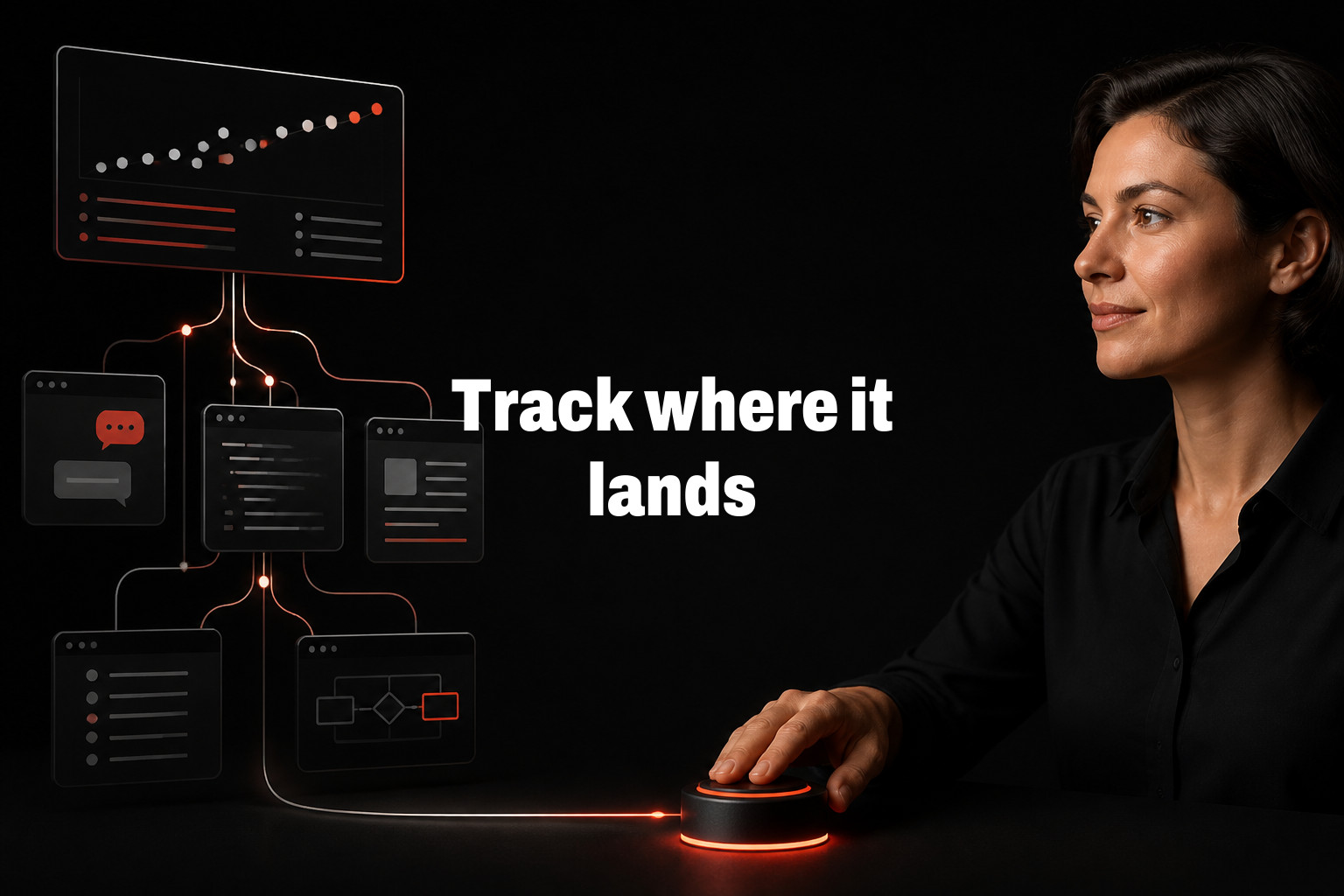
A prepared person can still decide where the model is allowed to act and where a human keeps the pen. One useful term here is an ownership threshold: the point in a workflow where a person must review, revise, or explicitly accept the model's output before it becomes team action, and at work it looks like a named check before a message is sent, a patch is merged, or a draft is approved.
That is where attention belongs this week. Map the places in your work where a good-enough model could quietly enter first.
- Chat: summaries, suggested replies, issue spotting, and auto-escalation.
- Coding: patch suggestions, test generation, code review notes, and incident clues.
- Drafting: first-pass documents, meeting notes, policy edits, and client updates.
- Review: quality checks that look complete enough to skip a second look.
- Escalation paths: the moments when a model's output stops being advice and starts being action.
Then mark the ownership threshold in each place. Decide who verifies facts, who owns judgment calls, and which outputs cannot move forward without a named human review. The point is not to ban the tool or to pretend every use is high drama. It is to keep authorship and accountability from leaking away by default while capability diffuses through everyday software.
Watching leaderboard rank can still be interesting. Watching diffusion speed is what helps with work. When open models trail the frontier by months rather than years, and open agent prototypes are already entering the wider ecosystem, the practical question is where they land in routine decisions before anyone notices.
Human Runtime Core™ is designed for the mental edge you need to survive in an AI-run world.