
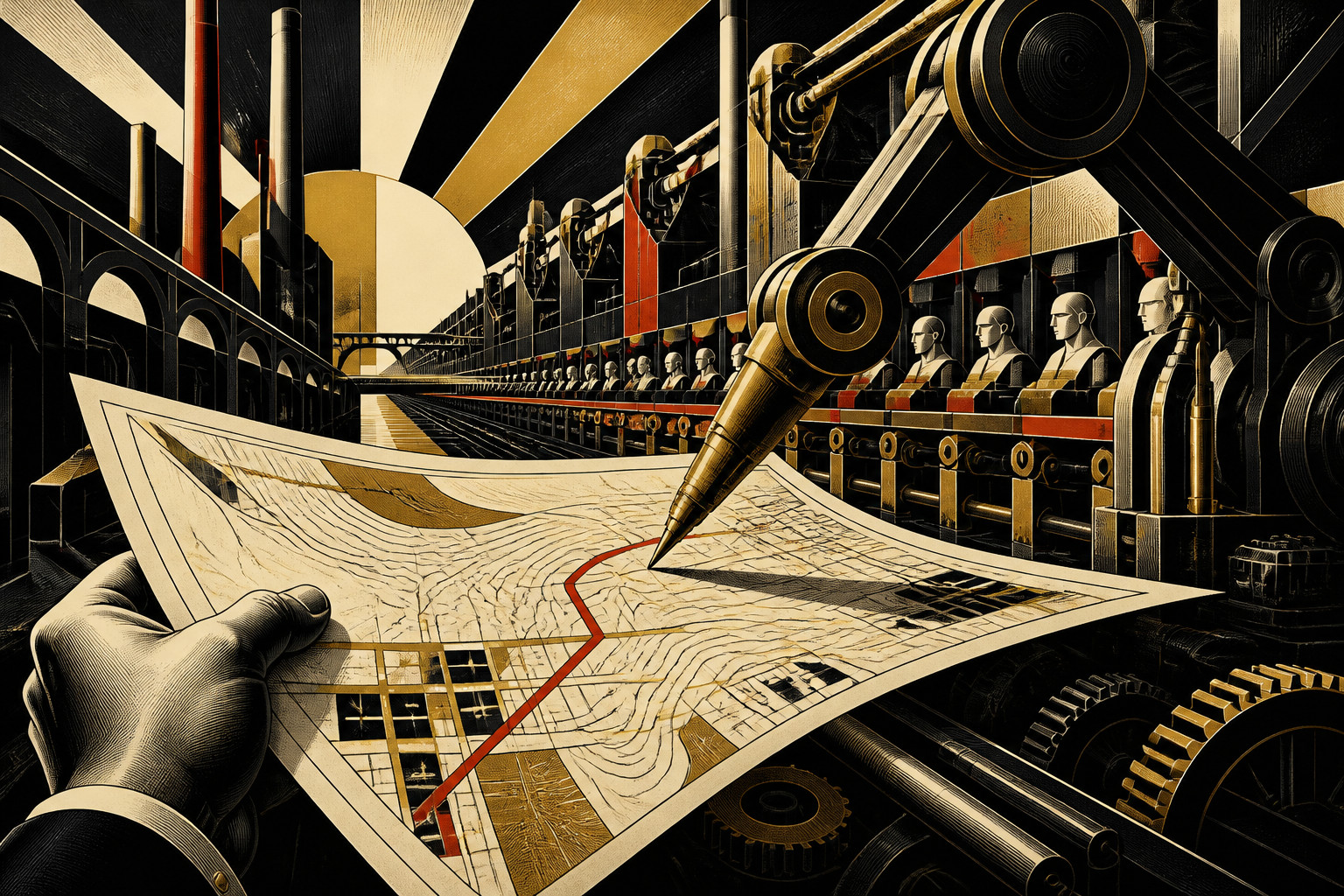
The pressure arrives before the output
Today’s AI tension is plain. One message in the air is "Please use AI." Tim Ferriss posted that phrase directly: https://www.instagram.com/timferriss/reel/DeXys1bIslM/. Another message, from the same public stream of discussion, points the other way: "Be very careful what you outsource to AI." Ferriss posted that warning too: https://www.instagram.com/timferriss/reel/DeaJkuFpvcQ/.
That is a real near-term pressure, not a distant theory. This week, many people working beside AI tools are being pushed toward adoption while remaining answerable for what those tools produce. The common advice is to review the draft, check the facts, and edit the tone. That advice is useful, but it arrives late.
By the time you are reviewing the output, the most important decision may already be behind you. AI does not only answer. It amplifies the frame it is given. It extends the goal you stated, the boundaries you set, the examples you chose, and the sources you fed into the system. If those opening moves are vague, borrowed, or careless, the resulting draft can look polished while carrying the wrong assumptions all the way through.
This is why the bigger near-term risk is not bad output alone. It is delegating the initial framing and inputs that shape the output. If you let the machine decide what problem is being solved, what evidence counts, and what context is in scope, your later review is often a cleanup pass on a direction you did not truly choose.
The broader horizon for that risk is visible in current software talk. Kevin Rose was discussed in a Tim Ferriss reel about a coming "headless" era of software: https://www.instagram.com/timferriss/reel/Deb-lE2xDcL/. The point for the reader is not to predict a total replacement story. It is to see the direction of travel. As interfaces become easier to generate and delegate, the scarce human work moves earlier, into deciding what is worth asking for and what should be handed over at all.
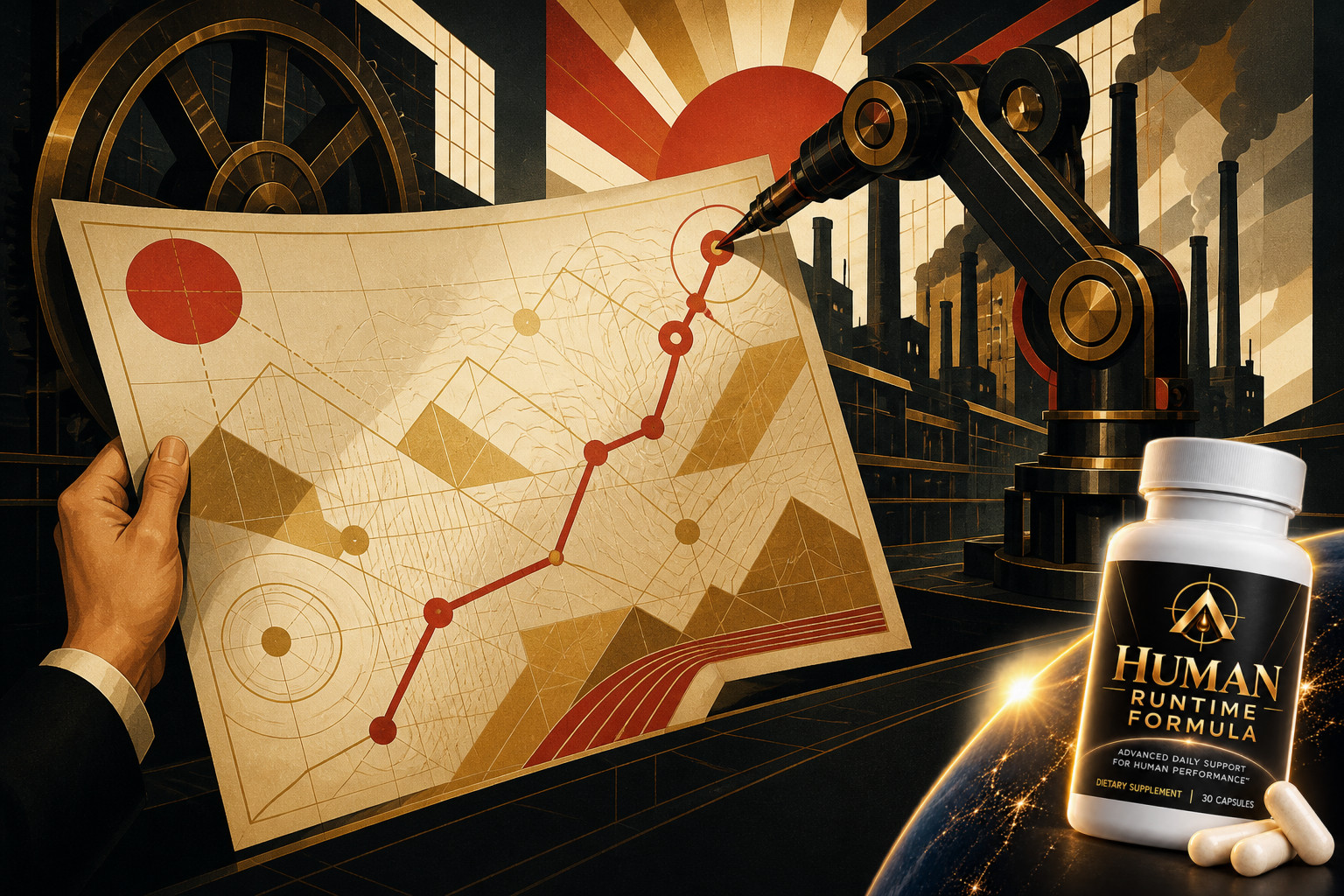
Hold the map before AI drafts the route
The practical response is not to refuse AI. It is to keep ownership of the first move. A prepared person notices that the opening setup still belongs to them and acts there first.
Write the goal in your own words before you open the model. Choose the source material before generation, not after. Draft the prompt yourself, even if it is brief. That sequence matters because it preserves your intent before the system starts expanding it.
A simple rule helps. Do not ask AI to decide the assignment before asking it to help with the assignment. State what success looks like. State what must stay out of scope. State which sources are in bounds. Then ask for a draft.
That is not hype and it is not a romantic defense of old workflows. It is a way to place judgment where it still matters most. The human hand holds the map. The AI can draft the route.
One move to use this week
This week, keep the inputs: write the goal, choose the sources, and draft the prompt yourself before AI writes anything. If you do only one thing differently, do that before the first generated sentence appears.
Human Runtime Formula™ is designed for the mental edge you need to survive in an AI-run world.