
Cheap AI computer use spreads
OpenAI said in April 2026 that GPT-6.1 Terra offers computer use at a lower price and is designed for use across a whole workday, which makes this a current operations question rather than a distant one. A summary post in April 2026 also said the model launched with 50% lower API prices and 3x faster computer use, and that it can handle screen-based tasks such as editing videos and entering invoice details into accounting software, according to OpenAI in April 2026 and The Rundown AI summary post in April 2026.
That combination matters because old runs often felt expensive enough to inspect. When software can take many small actions cheaply across a whole workday, each action starts to look too minor to review on its own. The dangerous moment is not the first impressive task. It is the hundredth small action that feels too cheap to inspect.
The loss is accountability inside ordinary work. A person still signs off the invoice batch, the CRM update, the edited file, the access change, the meeting note, or the report. But the path to that outcome can become a long trail of tiny automated clicks that no one really checked. One harmless-looking field entry is rarely the story. A hundred of them can become a business decision with no clear human review point.
There is also a second reason to be careful about the small steps. Ethan Mollick shared a study summary in April 2026 saying experts using AI agents can be swayed by the AI's positions even when they think they are working independently, according to Ethan Mollick in April 2026. The inference here is limited but useful: if influence can arrive while people believe they are acting on their own judgment, then low-cost computer actions can shape an outcome before anyone marks the moment as a decision.
A decision ledger is a simple record of which automated steps feed a real business outcome and where a human actually checks them, such as a weekly list that links invoice entry, account changes, and draft edits to one owner and one review point.
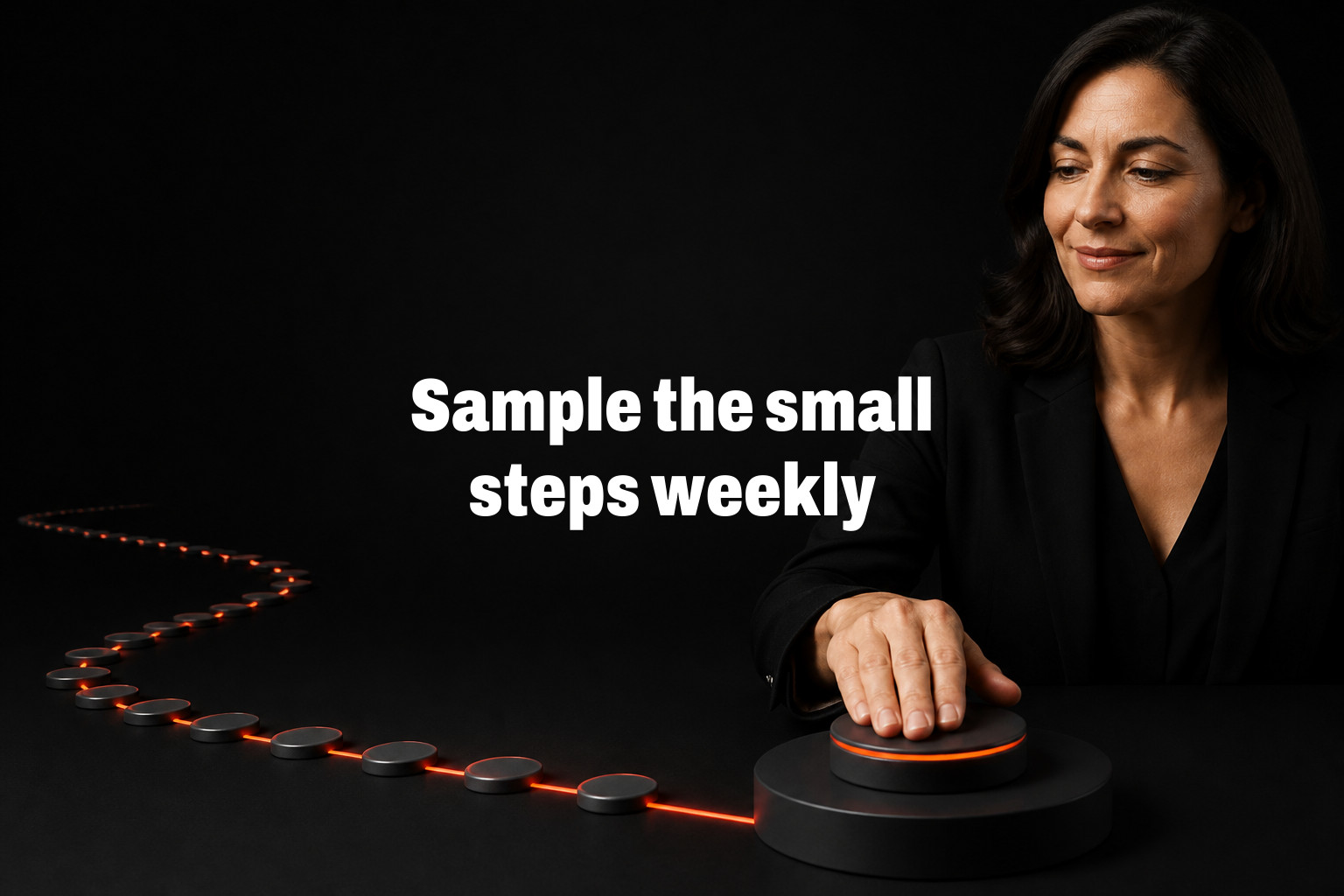
That creates a practical response. Do not review every click one by one in real time. Batch them. Pick the streams where cheap computer use touches records, money, customer communication, access, or a final deliverable. Then sample the small steps on a schedule before they pile into approval.
In practice, that can be plain:
- list the recurring screen actions the system now performs across the day
- mark which ones feed a signed-off output
- choose a weekly sample from each stream
- inspect the steps, not just the final summary
- note what kinds of errors repeat
- move one review point earlier if the same issue keeps appearing
This works because the problem is cumulative. If the risk came from one dramatic answer, final review alone might catch it. But cheap computer use spreads risk across many minor actions, and minor actions are where review discipline usually thins out first. Sampling restores visibility without pretending every automated step deserves the same level of scrutiny.
The useful question this week is simple: which cheap automated actions are now common enough at work that nobody can say who reviewed click 100. Start there, and make weekly sampling part of the operating routine before those actions harden into a decision nobody really reviewed.
Human Runtime Core™ is designed for the mental edge you need to survive in an AI-run world.